




Oral & Facial Surgery of Oklahoma: Dr. Craig Wooten
Everything You Should Know About Wisdom Teeth

Since the seventeenth century, the third molars have been called “wisdom teeth”. Generally the third molars develop later than other teeth, usually in adulthood between 18 and 26 years of age. It is widely believed among doctors that these are known as wisdom teeth as they come into existence so late at a time when a person grows up to adulthood.
Science recently added to the concept that the third molar actually erupts if an individual is “more intelligent.” Latest research has shown that during puberty the brain continues to develop and grow: in fact most scientists agree that the brain does not achieve maximum maturity until 25. Then our forefathers may not have been so far away — that the explosion of the “wisdom teeth” is an indicator that adult duties have taken place in the limitless days of childhood.
How Does It Grow?
Wisdom teeth can lead to problems if they do not have sufficient space to surface or are in the misplaced position. If your dentist says that the teeth of your wisdom are damaged, it may mean that they are stuck in your jaw or gum. It is wise to go for a wisdom teeth removal in that case.
Your dentist will check your mouth for signs of the following as your wisdom teeth make it into your gums:
- This type of teeth in the right position will make food stuck. This provides a place to grow cavity-causing bacteria.
- If it is not properly introduced that can make it difficult to flow between the wisdom teeth and molars next to them.
- The partial passing of wisdom teeth will give bacteria a place for gums and a place for infection. It can also lead to your jaw pain, swelling and rigidity.
- Some people think that wisdom teeth that don’t have space to come through are crowded or damages nearby teeth.
- An affected wisdom tooth can develop a cyst on or near the affected tooth. This can damage your teeth’s roots or destroy your teeth’s bones.
Reasons behind Wisdom Teeth Removal
— Patient is special, but wisdom teeth usually can have to be removed if the mouth changes such as:
- Immense Pain
- Infection
- Cysts
- Cancer
- Damage to surrounding teeth
- Disease of the gum
- Denture (unless the tooth can be restored or desired)
As part of the therapy for braces or other dental care, your dentist may also recommend removal of wisdom teeth.
Your dentist will search the mouth and take an x-ray before taking any decisions. You will decide the best course of your treatment along with your dentist.
Can You Keep Your Wisdom Teeth?
Wisdom teeth which are not removed should always be checked because complications may occur later. When people age, they are more likely to encounter health issues including issues of the wisdom teeth. See to it that your teeth run around and frequently visit your dentist. Your dentist will test your wisdom teeth and your overall dental health periodically.
If you need to go for your wisdom teeth removal in OKC, visit Oklahoma Oral & Facial Surgery without delay. Dr Wooten can help you with the treatment effectively.
**Disclaimer: This site content is not intended to be medical advice nor establishes a doctor-patient relationship.
What to Expect During the Tooth Extraction Process?

Although permanent teeth are meant to last for a lifetime and only to decay due to age, there are a few reasons you need to extract a tooth. A common reason for tooth extraction is damaged tooth, decayed or trauma in tooth. Other reasons could be the following –
Crowded Mouth
Dentists pull a tooth too save space and ready the mouth for an orthodontic treatment. It could be needed for aligning the teeth structure which is not possible with existing big tooth in the mouth. Similarly, a tooth might not get space to erupt if there is a little or no gum space; therefore, it could be need to be extracted.
Infection
If a tooth is decayed or the damaged has reached the pulp as well as the tooth containing nerves and the vessels, bacteria would get a chance to enter the pulp. Everything will result in further infection. Root Canal Therapy or RCT could be a good treatment option. Sometimes, when the infection is severe, antibiotics or RCT cannot correct it leaving the extraction the last option.
Infection Risks
If you have a weakened immune system (like you are receiving chemotherapy or organ transplant) you have to pull a tooth if there are chances of getting the tooth infected.
Periodontal (Gum) Disease
If you get periodontal disease around the tissues and bones supporting the teeth as it may cause you loosing the tooth, you have to extract the tooth.
What Can You Expect in the Process?
Depending on the tooth condition – either it is impacted or visible – you will get a simple tooth extraction or a surgical extraction. The process will completely remove the tooth.
A simple extraction would need local anesthesia to numb the area. It will only give you a little pressure during the process. The doctor will use surgical equipment. The first one is an elevator to loosen the tooth from the gum and a force to remove it. When it comes to surgical extraction, the doctor takes help of both local as well as intravenous anesthesia. The doctor will make a small incision in to the pulp or the gum for bone removal before pulling the tooth.
After the Process
Once the tooth is removed, you can go back home. You would have to take prescribed antibiotics for a few days and follow an after care process for the initial days.
- Avoid straws
- Have good rest
- Doo not smoke
- Do not eat or drink anything hot
- Do not rinse your mouth
Visit Dr Wooten at Oral and Facial Surgery of Oklahoma for tooth extraction and dental care in OKC.
**Disclaimer: This site content is not intended to be medical advice nor establishes a doctor-patient relationship.
Tooth Extraction Care – What You Ought to Do?

The tooth extraction is not exactly at the top of anybody’s list of ‘things to do’. Therefore, when you come to us, we try to make the stay as enjoyable as possible. We, at Oral & Facial Surgery in OKC try to make you comfortable entirely.
Following tooth removal, proper dental hygiene and precautions are particularly important. When you are not careful, it can be a dry socket, which is much more painful than the extraction of the tooth. Store liquid favourites such as smoothie ingredients and apple sauce before you go for a tooth extraction.
Don’t worry, if the first time you face a tooth extraction. Most individuals never get dry sockets and just a couple of days later feel great. You have to do a little preparatory work, however. After an extraction, this is the best way to recover.
Go for Preplanning
After tooth extraction, many people need nothing more than an OTC painkiller like Tylenol. Make sure you get a bottle and take a dose right after extraction, and don’t wait for the pain to start. You can also ask us, and we’re going to advise you on a painkiller.
Wait for at least 12 hours before cardiomyopathy, sleep on a pillow in the evening after the operation and don’t lift for three days in the gym. Getting the blood pump can cause the tooth socket to bleed. Consider this an excuse for a few days approved by the doctor.
Care for Oral Health
Avoid rinsing the day after the operation. The next day, you can gently rinse with warm salt water, so that the formation of coagulations at the site is not disturbed. Continue to rinse with warm salt water until the site is completely healed.
Avoid brushing the extracted tooth site effectively. The damp cloth or gaze can be wiped out, but the best way to cure the site is to do so for the first week. A rinse is sufficient to maintain the area clean. Some struggle because of swelling with the rest of their teeth but a Peridex rinser is sufficient for a couple of days as a brushing alternative.
Side Affect Handling
Some people have serious swelling, especially if they remove all of their wisdom teeth in one operation. In the area where the surgery is performed, putting an ice pack on your face helps reduce swelling and pain. You can start using the ice pack directly after surgery to reduce symptoms. Heat is not advised until the inflamed area is settled. Heat helps the jaw muscles relax, but has little influence on the removal area.
For two days, the pain will increase, it will decrease on third day onwards. Call our office if pain increases after day three, you might get a dry stick or other trauma. In most cases, the best anti-inflammatory reliever available is motrin / ibuprofen (200 mg). Please consult your doctor about the best medication choice if you have an allergy, if you can’t take Motrin or if it hurts your stomach.
If antibiotics are prescribed, take them in full and do not stop as soon as you begin to feel better.
Do not worry about tooth extraction and consult Dr Wooten at Oral and Facial Surgery in OKC. He is a renowned doctor who can treat your dental problems appropriately.
**Disclaimer: This site content is not intended to be medical advice nor establishes a doctor-patient relationship.
How Can You Make Dental Implants Last Longer?

This is supposed to be the most advanced missing teeth solution. The success rate of dental implants is 98% when properly cared of. One good way to ensure your procedure is to find a dentist who has a proven record in the placement of implants.
How to maintain the implant
You should know the reason why an implant may fail to help you understand how to keep your dental implants.
Advanced Gum Disease
You must commit to maintaining your gums healthy in order for dental implant placement to succeed. Risk of implant failure may increase because there is no longer healthy bone to keep it in place when you develop advanced gum disease (periodontitis).
Regular brushing and flossing around the dental implant, you can easily avoid this scenario. Plan your dental cleansing every six months to allow your hygienist to check your gums and make sure that your implant will not suffer from any problems.
Overloading
This term is used to describe the excess force of a teeth or a misaligned dental bite on the implant tooth. Your doctor would test your bite and notice any evidence of excessive grinding force. In many cases, a customized night watch can provide all your teeth and dental implants with protection.
What is the length of dental implants?
Dental implants may last for approximately 25 years or longer, you may have heard. So long as you look after them appropriately. Note that several factors depend on the longevity of your dental implants, including:
Your oral practice – How long your dental implant will last, will you take care and maintain it such as brushing and flossing at least twice a day and making a biannual visit to a dental office – everything matters.
Use of teeth – Hard chewing or biting on hard items, and opening your teeth in crown cork, will adversely affect your implant’s lifetime.
Skill of the doctor – If an experienced, qualified dentist manages your implant surgery your implant will last longer. Professional dentists know how to place the implant perfectly, assess the progress of osseointegration and determine if the implant has fused your jawbone entirely.
Implant placement – You can also determine the length of time the dental implant is in your mouth. For example, implants placed at the back of the mouth receive more stress than those placed at the front due to the chewing. This can lead to a faster failure of the implant at the back of the mouth than at the front of the mouth.
Please contact us or arrange a visit with Dr Wooten for dental implants for answers if you have further questions regarding the dental implant procedure. We’re here for you all the time.
**Disclaimer: This site content is not intended to be medical advice nor establishes a doctor-patient relationship.
Reasons Why Dental Implant Are the Best

We all know teeth are a valuable part of our body. So, we have to maintain it rather than compromising the factor with our oral health. If you are facing any kind of dental problem, then dental implants would be the best option. Some of the Dental professionals opined the fact that implants will be a good option for reliable and the most effective tooth replacement.
A Dental Implant Prevents the Remaining Teeth from Shifting
When you lose a tooth because of decay or any other issues, there is some vacant place. The next tooth after the gap starts shifting. As a result, the healthy teeth become the unstable one.
You can resolve this issue with the dental implanting. The fills that have been created by the loss of the teeth, can be prevented with this treatment.
A Dental Implant Will Be Your Lifetime Add-On
If you take care of the dental implant after the surgery, then it can be your lifetime part of your dental structure gradually. You need to maintain proper hygiene so that the implant can last up to a lifetime.
Helps you to chew the food better
What we intake daily, needs to be digested in a proper way. That is why, properly chewing is essential. When you have a dental implant, you can chew the food better than before.
Degeneration of bone
As the root of the tooth has a direct connection with the jaw bone, that is why in the time of degeneration, the bone starts to shrink where the old tooth use to be. When the dental implant takes place, an artificial root helps to stimulate bone from degeneration. It is a healthier solution rather than a bridge or denture.
Dental Implants Too Can Ace Up Your Self-Confidence
From chewing food to give a warm smile, teeth cannot be overlooked by any means. A missing tooth can be a curse in your life, but when you undergo a dental treatment; your life will be again that exhilarating.
In addition, it will help you to improve your speech. It is not like the process of a denture, to slip inside your mouth which leads to slur the words. Apart from the denture, dental implants are secured and there will be no case of teeth slipping anymore.
If you are facing any tooth related problem, feel free to contact with Oral & Facial Surgery in OKC.
**Disclaimer: This site content is not intended to be medical advice nor establishes a doctor-patient relationship.
What Is the Relation Between Oral Problem and Systemic Disease?
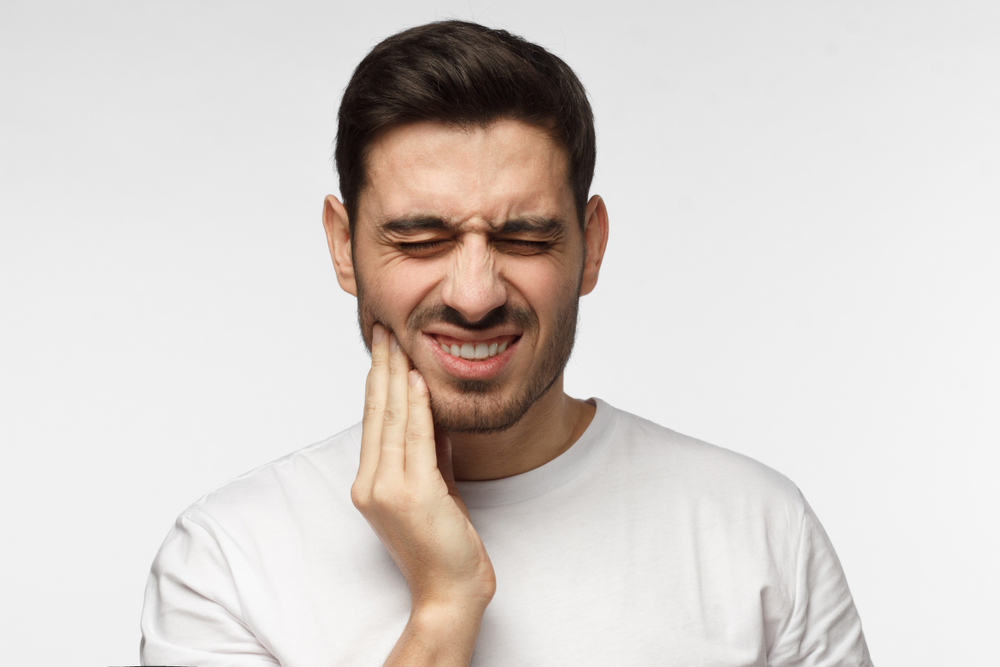
Your mouth is teeming with bacteria, mostly harmless, like other areas of the body. However, your mouth is the entrance to your digestive and respiratory tract, which can lead to illness in certain of these bacteria.
The regular habits like brushing and flossing helps to deal with bacteria and strengthens the natural defense of the body. Bacteria can reach levels that could lead to oral infections like denture and gum disease without adequate oral hygiene.
Some medicines – such as decongestants, antihistamines, painkillers, diuretics, antidepressants – can also reduce the flow of saliva. Saliva washes food and neutralizes bacterial acids in the mouth to protect it from disease-producing microbes.
In some diseases, studies indicate that oral bacteria and inflammation related to serious gum diseases (periodontitis) may play a part. And some diseases, like diabetes and HIV / AIDS, can reduce body resistance to infection and increase oral health issues. At this point, you must consult oral surgery specialists.
Conditions Linked to Oral Health
Your oral health could contribute to different conditions and diseases, among them:
Endocarditis – This infection of the internal lining of your cardiac chambers or valves is typically caused by the spread of bacteria or other germs from another part of you, such as your mouth, through your bloodstream.
Cardiovascular Illness – Although the connection is not fully understood, there is some research that suggests that the inflammation and the infections that can cause oral bacteria may cause heart disease, blocked arteries and stroke.
Pregnancy and Birth Complications – The premature birth and low birth weight are associated with periodontitis.
Lung Disease – There may be bacteria in your mouth, causing pneumonia and other breathing diseases in your lung.
Heart Disease
People with cardiovascular conditions have swollen arteries, which mean that people without this condition receive less blood in their hearts. A decrease in blood flow can, unfortunately, lead to heart disease. People with heart disease cannot risk gum disease, because the bacteria can travel through the body through the pathways of the vascular mouth.
This means that, the more bacteria in your mouth you have, the more bacteria in your heart you have. Fortunately, you can decrease the bacteria into your heart if you keep your oral health good.
Diabetes
People with diabetes are more likely than people without this condition to develop gum disease and lose more teeth. In addition, the ability of gum diseases to regulate their blood glucose can have adverse consequences. It can form a circular relationship as a person’s inability to control their level of glucose can provide a bacterial environment for gum disease causing.
Bacteria thrive in sugar foods and drinks, so people with diabetes should check their blood sugar levels to lower their risk of gum disease.
Reach us at Oral and Facial Surgery of Oklahoma to get help from us. See our oral surgery specialists to have the right treatment.
**Disclaimer: This site content is not intended to be medical advice nor establishes a doctor-patient relationship.
Why It Is Important To Go For Wisdom Teeth Removal?
There can be a lot of adverse effects of improper growth of wisdom teeth. To avoid issues like mouth infections, tumors, cysts, and immense pain, you should go for wisdom teeth removal. This can be very serious for your oral health. Go for surgery immediately to avoid complications.

**Disclaimer: This site content is not intended to be medical advice nor establishes a doctor-patient relationship.
When Your Wisdom Teeth Should Be Removed?

The teeth of wisdom at any age can cause pain. Such molars must be extracted much of the time. But some people deny medical extraction because they are afraid of pain.
Can your wisdom teeth be pulled out without expert intervention? See today’s blog for more information and book your appointment for wisdom teeth removal.
Elimination of Wisdom Teeth- Why Do You Need It?
Wisdom teeth extraction should be done by a certified oral surgeon. You should never try to cut your molars, because they can cause further complications. You can, for example, get damaged and develop dry sockets (dental condition in which the defense coagulation doesn’t expand after you extract a tooth).
If your dentist thinks you need to cut your teeth, he will suggest you to have an X-ray of the mouth so you can make an oral surgeon appointment. Keep reading to learn how you can safely remove your wisdom teeth.
How do you know if you have removed your teeth of wisdom?
Individuals aged between 16 and 19 can arrange appointment with the dentist to see if extraction is required, according to the American Dental Association. It is important to remember that the time to remove these teeth is not perfect; however, the quicker it is finished, the easier it is relieved. Removing your wisdom teeth if you experience:
- Impact of the wisdom teeth: Impacted teeth may be sideways or crooked, leading to more serious issues.
- Overcrowded mouth: Crowding happens when the teeth are too small and the teeth move. Because of bacteria, a crowded mouth can lead to pain and infection.
- Sharp pain: It might be time to see your dentist or oral surgeon if your wisdom teeth cause discomfort to the point that you can’t speak or chew.
The Threats of Affected Teeth
You may have damaged teeth but they might not erupt. The wisdom teeth just partially erupting are known as the damaged teeth. If yours is affected, because of lack of space, they will likely grow at an angle. Whether or not the wisdom teeth are damaged, we suggest that they be removed in order to avoid:
- Location dental pain that can spread to the rest of your mouth
- Persistent headaches
- Food stuck to decay your teeth
- Damage to surrounding gums and teeth
- Muscle pain
- Gum growth
- Bacterial growth
- Tumor or cyst growth close to the tooth;
- Contamination by the oral system
- The teeth are moving
- Cranks of gum and jaw
Know that only a doctor can confirm that you need denture surgery and never try to yank your tooth. You need a dental surgery.
Oral & Facial Surgery in Oklahoma Can Help
Oral & facial Surgery in Oklahoma can help you with wisdom teeth removal. Dr Wooten associated with this clinic knows how to provide a flawless treatment that would require very less recovery time.
**Disclaimer: This site content is not intended to be medical advice nor establishes a doctor-patient relationship.
How Maxillofacial Surgeons Can Help You with?

Maxillofacial surgeon and oral surgeons are dentists who have years of more training and experience with the bone, skin and muscles of the nose, mouth, and jaw almost fully. Oral and maxillofacial surgeons are uniquely skilled in diagnosing and treating many functional or cosmetic disorders in this field. They are exclusive to their expertise. Call today to arrange an appointment with our team of specialists at Oral & Facial Surgery of Oklahoma to find a qualified and sympathetic oral health specialist.
Educational Background
After completing a degree program and dentistry doctorate, oral and maxillofacial surgeons complete the specialized surgical training of four to six years. This further training gives oral and maxillofacial surgeons a wide variety of treatment options to patients who have had trauma, significant dental misalignment, TMJ and other serious oral health concerns that may need targeted and operative treatment for optimal treatment. The goal is to prepare dentists as a crossroads between dentistry and medicine for research and training in this dental field. Many doctors are actually graduated in oral and maxillofacial operations, and oral surgeons may want to take a doctorate to provide the most different services.
Alongside advanced education in oral surgery, most oral and facial surgeons are certified and trained in all levels of local to general anesthesia and sedation, as well as nitrous oxide, oral awareness and IV sedation.
Oral and Maxillofacial Surgeon Procedures
Following specialized training, oral and maxillofacial surgeons are in the position to provide a wide variety of surgical treatments, including:
- Operation of the dental implant
- Managing and extracting wisdom tooth
- Facial injury diagnosis (breaking of the bones, facial orbits or fractured eye)
- Cosmetic facial operation;
- Airway treatment for sleep apnea obstructive patients
- Head, face, throat and oral cancer treatment and removal
- Soft tissue and dental surgery to enhance looks or functions
- Treatment of spinal lip and palate
- Operations of the lip and tongue tie
- Administration of anesthesia in order to provide relief during surgery
- Orthodontic correction (jaw) process
Treatments against weakness and relief of facial pain in a temporomandibular joint (TMJ)
- Dentoalveolar surgery, including muscle repair, formation, and transplanting.
- Pre-prosthetic procedure before tooth replacement to restore the supporting structures
- Soft and tough grafting of tissues
- Fixed craniofacial congenital malformations
- Chronic illness, diseases or illnesses diagnosis and treatment
- Orthodontic surgery to enhance jaw balance during or before orthodontic procedures
- Advanced root canal therapies or endodontic microsurgery;
- Knob or fractured teeth, jaws, other internally damaged structures and soft tissue lacerations emergency procedures
You can book your appointment with Dr Wooten associated with Oral and Facial Surgery Oklahoma if you need any treatment related to oral health.
**Disclaimer: This site content is not intended to be medical advice nor establishes a doctor-patient relationship.
How to Identify and Deal with a Dry Socket?

You probably have a dry socket if you experience sharp pain after the extraction procedure. The best way to receive confirmation is to visit your oral surgery specialists. They are going to ask you about your symptoms and look at your mouth to see if your tooth socket contains a blood clot.
Identification of dry socket
You probably experience a dry socket if you can look into your open mouth in a mirror and see the bone where your tooth was before.
The explicit throbbing pain in your jaw represents another telltale signal of dry sockets. The pain may reach your ear, eye, temple or neck from the extraction site. The soft dental extraction site usually feels on the same side.
Typically, this pain develops within three days of tooth removal, but can happen every time. Other symptoms include bad breath and uncomfortable mouth taste. You should see your dentist immediately if you experience any of these symptoms.
How do dry sockets occur?
After tooth extraction if a protective blood clot does not form in the vacant place, a dry socket can develop. Dry socket may also develop if the blood clots are dislodged from the gums.
But what prevents the formation of this blood clot? Bacterial contamination is thought to cause this response, whether it is by food, liquid or other things that enter the mouth. Trauma may lead to a dry socket in the area, too. This may happen during complicated tooth removal or aftercare. For instance, it can be a disruption if you accidentally punch the area with your toothbrush.
How to know if you have a dry socket?
You should expect to feel pain following tooth extraction, but your prescribed medicine should be manageable. But you may have a dry socket if your pain worsens. Everyone has different experiences with this condition, but people experience the following in general:
- A significant hole on the removal site due to the dislodged blood clot
- Pain that does not go away after a week of your tooth removal
- Bone is visible in the socket
- Bad socket odor and bad breath that doesn’t go away regardless of how much you brush your teeth
- A foul mouth taste
- Pain, which began at the extraction site but spread to the rest of your mouth
Treatment of dry socket
Sadly, you cannot treat a dry socket in your home and must visit your dentist or oral surgeon as soon as possible. Please do this:
Flush your socket out: Dab your socket gently with the help of a cotton swab to remove trapped food and other scrap that may cause pain.
Medicated dressing: Your oral surgery specialists will put medicated gel or pulp on your socket to ensure quick relief. Your pain will tell you if you need change of dressing and how much longer you need to continue to receive therapy.
Prescribed medicines: Your dentist will also prescribe pain relief medicines. Avoid taking pain relievers until a specialist is consulted, because you need a specific kind of medication to help you with oral pain.
For tooth extraction, call Dr. Wooten at Oral and Facial Surgery of Oklahoma. Schedule an appointment with our oral surgery specialist and get yourself treated.
**Disclaimer: This site content is not intended to be medical advice nor establishes a doctor-patient relationship.