



Impacted Canines in OKC: Overview and Treatment
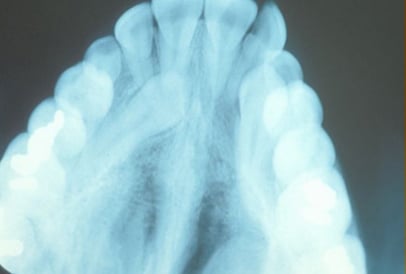
An impacted canine occurs when an adult tooth, typically the upper eyetooth (cuspid), fails to erupt properly into the dental arch. This can lead to a variety of issues, including misalignment of the bite and aesthetic concerns. Impacted canines are most often detected through early screening, and timely intervention is crucial for successful treatment.
At Oral & Facial Surgery of Oklahoma, Dr. Craig Wooten provides specialized care for impacted canines. Early diagnosis and coordinated treatment with an orthodontist help the tooth erupt in its correct position. This may involve a simple surgical procedure to expose the tooth and attach an orthodontic bracket and chain to guide its eruption.
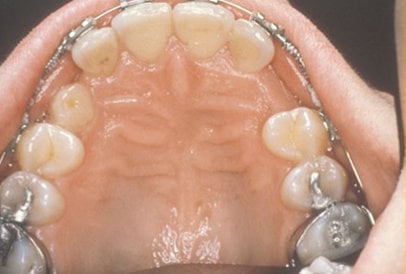
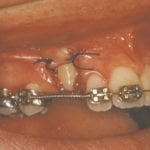
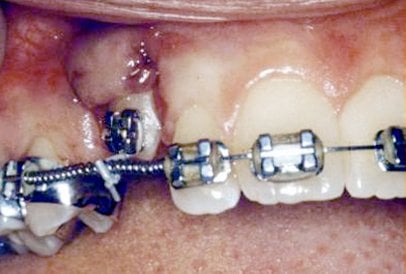
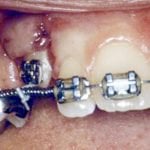
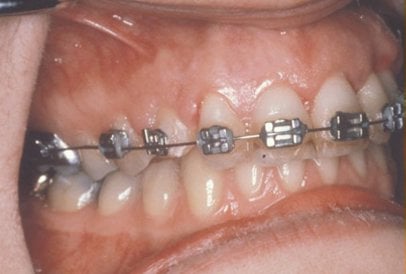
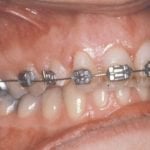
Exposure and Bracketing of an Impacted Cuspid
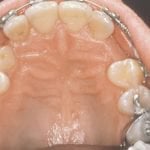
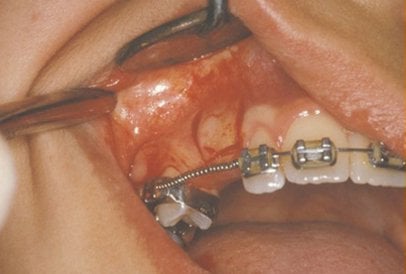
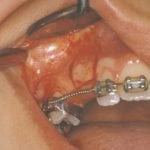
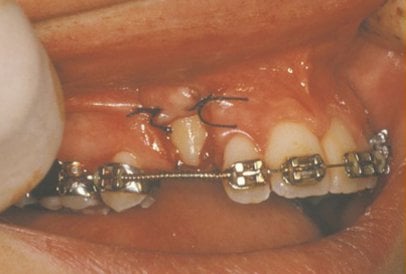
Dr. Craig Wooten offers a variety of quality oral surgery services, including dental implants & wisdom teeth removal.
405-751-7600 Appointments Map & Driving Directions PhoneStep-By-Step Process of Exposing Impacted Canines:
Here is a step-by-step guide for the process of exposing an impacted canine:
-
Initial Evaluation: Dr. Wooten and your orthodontist will first assess the impacted tooth through X-rays and a dental exam. If the tooth is still unable to erupt naturally, a combined treatment approach will be recommended.
-
Orthodontic Preparation: Before surgery, the orthodontist may place braces to open space in the dental arch and align surrounding teeth. This ensures the impacted canine has enough room to move into place.
-
Surgical Exposure: The oral surgeon, Dr. Wooten, will numb the area and make a small incision in the gum tissue to expose the impacted tooth. If there is a baby tooth, it may be removed during this procedure.
-
Bonding an Orthodontic Bracket: Once the tooth is exposed, a small bracket is attached to it with a gold chain. The chain is connected to the orthodontic wire, enabling the tooth to gradually move into place.
-
Healing and Adjustment: After surgery, the gum tissue is sutured back into place, leaving the chain visible. The patient will return to the orthodontist, who will begin applying gentle pressure to guide the tooth into the proper position. This process may take several months to a year.
-
Final Adjustment: Once the tooth has erupted and moved into its correct position, Dr. Wooten will assess its health and strength to ensure it will function well for years to come.
FAQs about Impacted Canines:
-
What causes a canine to become impacted? Impacted canines are typically caused by crowding, an extra tooth, or abnormal growth blocking the eruption path. Genetic factors can also contribute.
-
How are impacted canines diagnosed? Early screening with a panoramic X-ray around age 7 helps detect potential problems. Regular dental checkups also monitor eruption patterns.
-
What is the treatment for an impacted canine? Treatment may involve orthodontics to open space, followed by surgery to expose the tooth and attach an orthodontic bracket with a chain to guide it into position.
-
Is surgery painful? The surgery is typically performed under local anesthesia, and while there may be some discomfort afterward, it can usually be managed with over-the-counter pain relievers.
-
How long does it take for the tooth to erupt? The process can take up to a year, depending on the tooth’s position and the patient’s age.
-
What if the impacted tooth cannot erupt? In some cases, especially in older patients, the tooth may need to be extracted, and alternatives such as dental implants may be considered to restore function.
If you suspect your child or you may have impacted canines, an early consultation can ensure the best outcomes for your dental health