
Oral Cancer Screenings & Pathology in Oklahoma City
Oral pathology focuses on the diagnosis and study of diseases that affect the oral and maxillofacial regions. A critical aspect of oral pathology is early detection, particularly of oral cancer. Regular oral cancer screenings are essential for identifying the disease in its early stages, where it is most treatable. Below is a comprehensive guide to understanding oral cancer, the importance of screenings, and recent research trends.
What is Oral Cancer?
Oral cancer refers to any cancerous growth in the mouth, including the lips, tongue, gums, cheeks, floor of the mouth, roof of the mouth, and throat. It can develop in any part of the oral cavity and may spread to nearby tissues or other parts of the body.
Dr. Craig Wooten offers a variety of quality oral surgery services, including dental implants & wisdom teeth removal.
405-751-7600 Appointments Map & Driving Directions PhoneImportance of Oral Cancer Screenings
Oral cancer often has no visible symptoms in its early stages. This is why routine screenings by a dental professional are so important. Early detection significantly improves the chances of successful treatment, leading to better patient outcomes. Dentists and oral health professionals can perform simple and non-invasive exams to check for signs of cancer.
Key Benefits of Oral Cancer Screenings:
- Early Detection: Catching oral cancer early increases the chances of successful treatment and survival.
- Non-invasive: Most screenings are quick, painless, and involve no special equipment.
- Increased Awareness: Professional screenings encourage patients to become more aware of potential symptoms they might miss.
Signs and Symptoms of Oral Cancer to Look Out For
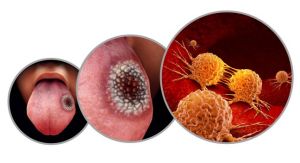
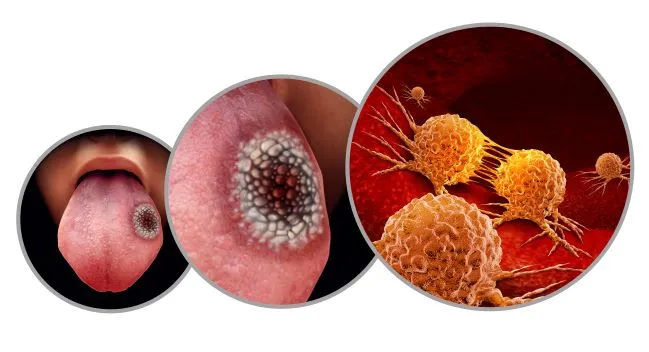
While only a dentist or doctor can provide a formal diagnosis, being aware of certain signs can help you detect potential issues early. Here are some common symptoms associated with oral cancer:
- Persistent Sores or Ulcers: Sores that don’t heal within two weeks should be evaluated.
- Unexplained Pain or Tenderness: Ongoing pain in the mouth or throat that doesn’t go away.
- Lumps or Thickening: Any unexplained lumps, thickened areas, or growths inside the mouth or on the lips.
- White or Red Patches: Patches of white or red tissue that are difficult to remove or that bleed easily.
- Difficulty Swallowing or Chewing: Pain or difficulty swallowing, chewing, or moving your jaw or tongue.
- Change in Voice or Persistent Hoarseness: A sore throat, hoarseness, or a change in voice that doesn’t resolve.
- Numbness or Loss of Feeling: Numbness or pain in the mouth, lips, or jaw.
- Unexplained Bleeding: Unexplained bleeding in the mouth, especially in areas that don’t have an injury.



If you notice any of these symptoms, it’s essential to schedule an appointment with Dr. Wooten for further evaluation.
Risk Factors for Oral Cancer
Several factors can increase the risk of developing oral cancer. These include:
- Tobacco Use: Smoking, chewing, or using smokeless tobacco products significantly raises the risk.
- Heavy Alcohol Consumption: Drinking alcohol regularly increases the risk of oral cancer.
- Human Papillomavirus (HPV): Some strains of HPV, especially HPV-16, have been linked to oral cancers, particularly in the oropharynx.
- Age: Oral cancer is more common in people over the age of 40.
- Sun Exposure: Prolonged exposure to the sun can lead to lip cancer.
- Poor Diet: A diet low in fruits and vegetables and high in processed foods can increase the risk.
Research on Oral Cancer Rates
Recent studies have shown a concerning rise in oral cancer cases, particularly in younger adults and individuals who are HPV-positive. While oral cancer has traditionally been more common in older men who smoke and drink heavily, there has been a significant increase in HPV-related oral cancers, especially among younger people.
Key Research Findings:
- Increased Incidence of HPV-related Oral Cancer: According to the American Cancer Society, the rise in HPV-related oropharyngeal cancers (cancers at the back of the throat, including the tonsils and base of the tongue) has led to an overall increase in oral cancer cases in recent years.
- Trends in Oral Cancer Incidence: Data from the National Cancer Institute suggests that the incidence of oral cavity and pharyngeal cancers has been increasing, particularly in men. For instance, the rates of HPV-related cancers have nearly doubled over the past few decades.
- Younger Adults at Greater Risk: A study published in JAMA Otolaryngology-Head & Neck Surgery in 2019 showed that younger individuals (under 50) are increasingly diagnosed with HPV-related oral cancers. The study found that HPV-positive cancers are less likely to occur in individuals with a history of tobacco use or alcohol consumption.
- Impact of Early Detection: Research has also shown that the survival rate for oral cancers detected early is much higher compared to those diagnosed at later stages. Regular screenings and self-examinations can dramatically improve outcomes.
FAQs about Oral Cancer Screenings
1. What happens during an oral cancer screening?
During an oral cancer screening, your dentist will visually examine your mouth, lips, tongue, and throat for any signs of abnormalities such as sores, lumps, or unusual tissue changes. They may also palpate the neck area to check for swollen lymph nodes.
2. How often should I get an oral cancer screening?
The American Dental Association recommends that adults should have an oral cancer screening as part of their routine dental checkups. Depending on your risk factors, we may recommend more frequent screenings.
3. Can I perform an oral cancer self-exam at home?
Yes, you can perform an oral cancer self-exam at home by looking inside your mouth and feeling for any unusual lumps or lesions. Use a bright light, a mirror, and your fingers to check your lips, gums, cheeks, tongue, roof, and floor of your mouth. If you notice any abnormalities, see our practice immediately.
4. What are the chances of survival if oral cancer is detected early?
When oral cancer is detected early, the five-year survival rate can be as high as 80-90%. However, the survival rate drops significantly if the cancer has spread to other parts of the body.
5. Is oral cancer always linked to smoking or drinking?
No, while smoking and excessive alcohol use are significant risk factors, HPV-related oral cancers can occur in non-smokers and non-drinkers, particularly in young adults. Regular screenings are important, even for individuals without these traditional risk factors.
6. What should I do if I notice symptoms of oral cancer?
If you notice any of the warning signs of oral cancer, such as persistent sores, lumps, or difficulty swallowing, schedule an appointment with our practice as soon as possible. Early detection is crucial for successful treatment.